
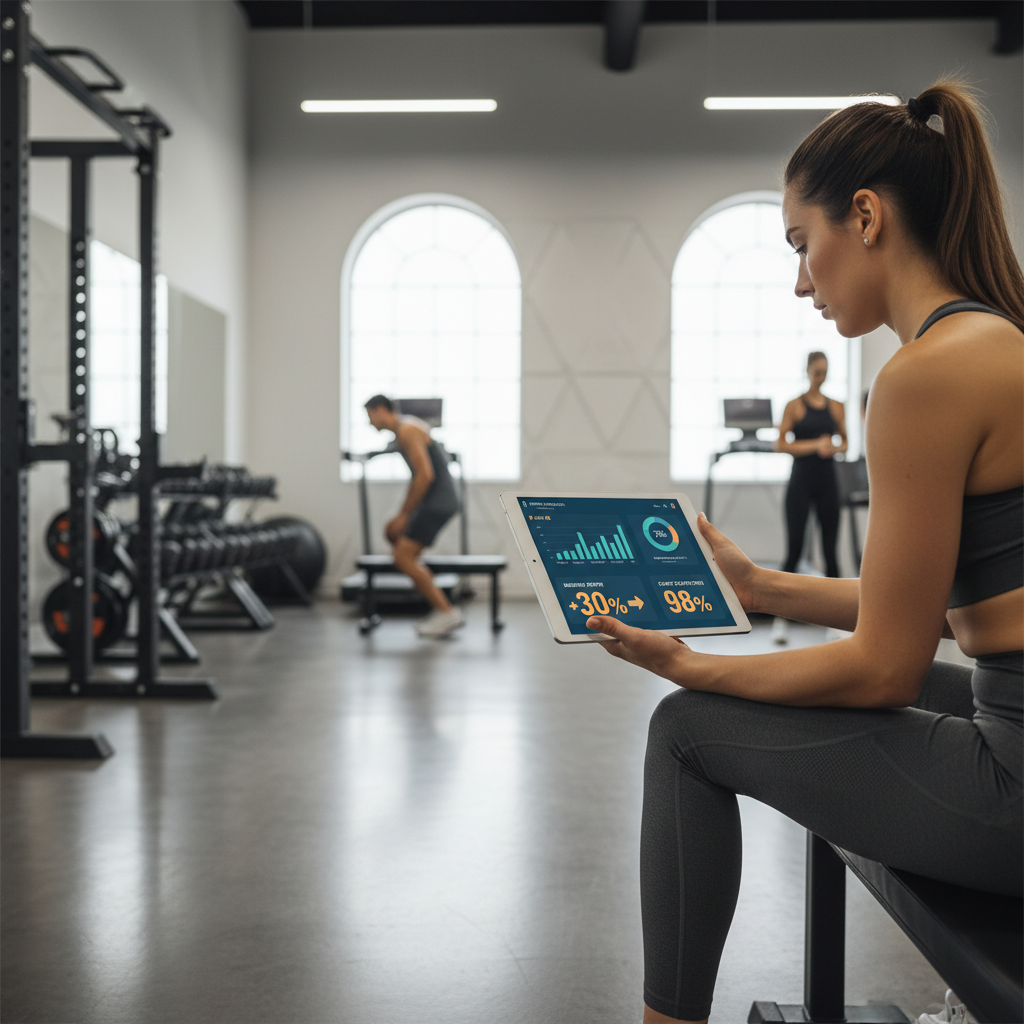
In-Depth Client Progress Tracking: Driving Fitness Coaching Success
In the fast-paced world of fitness coaching, client progress tracking has become a pivotal factor in driving business growth and ensuring lasting client success. Moving beyond basic attendance records, successful fitness coaches focus on comprehensive data systems that monitor strength progress, nutrition plan adherence, body composition changes, and even mood and energy scores. These coaching data systems create a robust performance tracking fitness model that not only captures transformation but also refines coaching workflow optimization.
Why the Problem Exists
Many fitness coaches traditionally rely on simplistic metrics such as session attendance or subjective client feedback. While these provide some insight, they fall short in capturing the complete client journey.
Without systematic tracking methods, coaches struggle to quantify progress accurately, leading to gaps in client adherence monitoring and missed opportunities to intervene strategically.
Additionally, without real data, it is difficult to demonstrate tangible results to clients, which can impact motivation and retention.
Common Challenges
Fitness coaches face several challenges when implementing effective client progress tracking. Common obstacles include:
- Inconsistent data collection
- Limited tools tailored to coaching business growth
- Difficulty integrating various metrics like mood and energy scores into a cohesive feedback loop
- Monitoring nutrition plan adherence alongside strength progress tracking, resulting in fragmented insights
- Lack of proper progress tracking tools to automate and streamline performance analysis, despite coaching scalability tips emphasizing automation
Solutions and Systems
To overcome these challenges, leveraging advanced coaching data systems is essential.
- These systems can integrate multiple client engagement metrics into one platform, enabling fitness coaches to track client transformation comprehensively.
- Incorporating body composition tracking and mood and energy scores enriches the feedback loop, allowing coaches to implement timely intervention strategies.
- By adopting technology designed specifically for fitness client retention and coaching workflow optimization, coaches can automate data collection and generate actionable insights.
Practical Advice
- Begin by selecting progress tracking tools that allow multi-dimensional data input including strength progress tracking, nutrition adherence, and mood assessments.
- Regularly schedule check-ins using these metrics to personalize coaching plans and enhance client motivation.
- Encourage clients to participate actively in tracking their own data, fostering accountability and improving client adherence monitoring.
- Use the data to communicate clear progress narratives, which strengthens client trust and reinforces the coach-client relationship.
- Invest in scalable coaching platforms that support growth and allow you to manage more clients effectively without sacrificing quality.
Conclusion
Integrating client progress tracking into your fitness coaching practice is more than monitoring attendance—it's about harnessing comprehensive metrics to drive meaningful client transformations and sustainable business growth.
By adopting systematic tracking methods and utilizing coaching data systems tailored to fitness professionals, you position your business for improved client retention, optimized workflows, and scalable success.
Embrace these strategies to enhance your coaching effectiveness and fuel your coaching business growth.